Foundations of Power
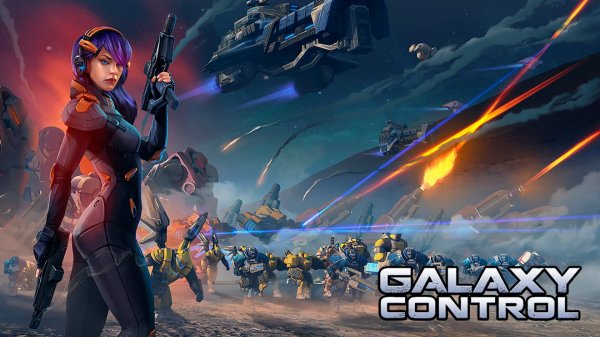
Every great interstellar empire begins with a single outpost. In Stellar Overlord: Galactic Conquest, players start by establishing a basic base and gradually expand its capabilities. The core loop involves constructing specialized buildings that generate energy and minerals, the two primary resources needed for growth. These structures also unlock new technologies and fleet components, allowing players to tailor their approach to the challenges ahead. Careful planning at this stage determines how quickly a player can project force and secure new territories.
Fleet Composition & Tactics
Assembling a capable fleet requires more than just producing ships. Each vessel type serves a distinct role, from fast scouts that reveal enemy positions to heavy cruisers designed for sustained engagements. Players must consider the strengths and weaknesses of their own designs while anticipating what opponents might field. The game encourages experimentation, as different combinations of ships can counter specific strategies. Real-time encounters demand quick thinking, as positioning and timing often decide the outcome of a skirmish.
Diplomacy & Alliances
No empire thrives in isolation. Stellar Overlord includes a robust alliance system that lets players cooperate on large-scale projects, share intelligence, and coordinate defensive actions. Joining an active group provides access to shared resources and collective knowledge, which can accelerate development. However, alliances also require trust and communication, as members must agree on shared goals and respond to threats together. This social layer adds depth beyond pure military strategy, rewarding players who build strong relationships.
Visual Design & Immersion
The game presents its universe through fully rotatable 3D graphics, allowing players to inspect their fleets and bases from any angle. Nebulae, star systems, and planetary surfaces are rendered with enough detail to create a sense of scale and wonder. The camera can zoom in for close-up management of individual units or pull back for a strategic overview of the entire sector. This visual flexibility helps players stay engaged whether they are fine-tuning a single outpost or planning a multi-front campaign.
Progression & Adaptation
As players expand, they encounter increasingly complex situations that require adaptive thinking. A strategy that works early may become ineffective as opponents develop countermeasures. The game rewards those who monitor their resource flows, upgrade key structures, and adjust fleet compositions based on recent encounters. Tutorials introduce the basics, but mastery comes from learning how each decision ripples through the empire. Patience and observation often lead to better outcomes than rushing into conflict without preparation.








Comments
0 comments