Core Teamwork Mechanics
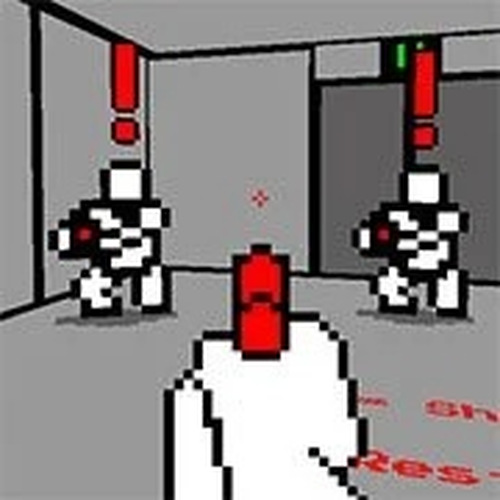
Hidden Caper Team Puzzle Challenge places a strong emphasis on group coordination. Players must move through colorful environments, each filled with tasks that require more than one person to complete. The central idea is to avoid being seen by wandering characters while working toward a shared goal. This setup naturally encourages talking through strategies, assigning roles, and adjusting plans on the fly. Success depends on how well the group can stay in sync without direct communication tools, making every session feel fresh and collaborative.
Level Layout and Objectives
Each stage presents a unique layout with obstacles and hiding spots that players must use to their advantage. The objectives vary from collecting items to reaching specific locations, but all require stealth and timing. The environments are designed with bright colors and simple shapes, making it easy to spot movement and plan routes. As players progress, the puzzles become more complex, introducing new elements that force the team to rethink their approach. This keeps the gameplay engaging without becoming overwhelming.
Visual and Audio Atmosphere
The game world is filled with lively colors and friendly character designs that create a welcoming mood. The soundtrack uses upbeat, lighthearted tunes that match the playful tone of the challenges. Sound effects are clear and informative, helping players know when they are close to being spotted or when an objective is completed. This audio feedback is crucial for coordinating movements without needing to look at other players' screens. The overall presentation supports the cooperative focus by keeping distractions low and clarity high.
Accessibility and Control Options
Controls are kept simple, with keyboard inputs that are easy to learn for new players. The game supports both standard and AZERTY layouts, making it accessible to a wider audience. There are no complicated button combinations, so players can focus on the puzzle elements and teamwork. This simplicity also means that younger players or those less familiar with video games can join in without frustration. The design prioritizes fun over complexity, ensuring that the barrier to entry is low.
Multiplayer and Solo Practice
While the game is built for cooperative play, there is also a solo mode that allows individuals to practice navigating levels and understanding puzzle mechanics. This is useful for learning the layout of each stage before playing with a team. The multiplayer mode supports local and online groups, making it easy to play with friends or family members who are not in the same room. Both modes share the same levels, but the solo experience focuses more on personal timing and route planning rather than group coordination.
Tips for Smooth Team Play
To get the most out of the experience, players should establish a clear plan before moving. Using voice chat or text messages can help coordinate movements and avoid accidental detection. It is also helpful to designate one person as a lookout while others complete tasks. Practicing levels alone can reveal shortcuts and safe spots that benefit the whole team. The key is to stay patient and communicate openly, as rushing often leads to mistakes. The game rewards careful planning and mutual support.


Comments
0 comments