Core Observation Mechanics
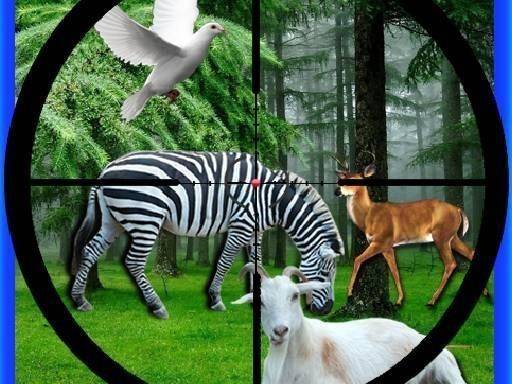
At its heart, Wilderness Pathfinder is about learning to watch. Players move through digital habitats, paying close attention to subtle cues in the environment. Animal movements, sounds, and tracks provide hints about where to find different species. Success comes from understanding these patterns rather than rushing through the terrain. The game encourages a methodical approach, where each session feels like a real field study.
Landscape Variety
The game presents several distinct settings. Dense woodlands require careful navigation to avoid startling shy creatures. Open grasslands offer long sightlines but demand patience as animals graze at a distance. Rocky highlands provide challenging vantage points where wind and weather affect visibility. Each area has its own character, keeping the experience fresh and encouraging players to adapt their strategies.
Tool Selection and Strategy
Players have access to a set of observational tools that can be switched depending on the situation. Choosing the right equipment for the terrain and target species adds a layer of tactical thinking. Some tools are better for scanning large areas, while others help with close-up study. This system allows for personal play styles, from broad exploration to focused documentation.
Relaxed Pacing
Wilderness Pathfinder is designed for calm engagement. There are no time limits or high-pressure sequences. The game fits well into short breaks or longer sessions, as players can pause at any moment to appreciate a scene or plan their next move. This gentle rhythm makes it accessible to newcomers while still offering depth for those who enjoy refining their technique.
Visual and Audio Design
The environments are rendered with attention to natural detail. Sunlight filters through leaves, water ripples in streams, and animals move with believable grace. The soundscape complements the visuals with ambient noises like bird calls, rustling grass, and distant waterfalls. Together, these elements create an immersive atmosphere that supports the game's focus on observation and patience.









Comments
0 comments