Core Assembly Mechanics
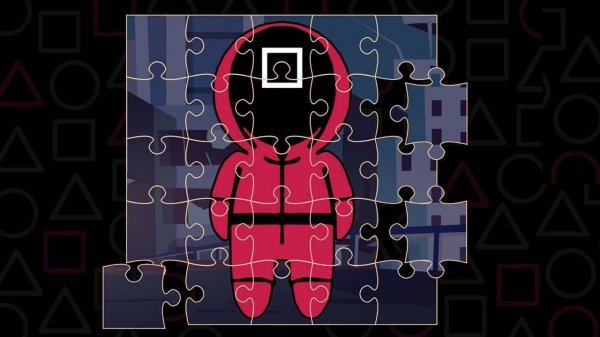
Players interact with a clean board where scattered tiles await arrangement. Using simple mouse or touch gestures, you pick up individual pieces and slide them into position. Some tiles may require rotation to align correctly, adding a subtle layer of spatial reasoning. The interface remains uncluttered, showing only the working area and a reference image of the final picture. This design keeps the focus on the calming act of assembly rather than complex menus or timers.
Difficulty and Progression
The game offers multiple challenge levels that adjust the number of tiles in each puzzle. Beginners can start with fewer pieces to learn the controls, while experienced players can increase the count for a longer session. Completing a picture awards in-game currency, which can be spent to unlock new images. This light progression system gives a sense of accomplishment without demanding fast reflexes or high scores.
Visual Themes and Variety
Each puzzle presents a different ocean-related scene, from gentle waves to colorful marine life. The artwork uses soft colors and clear outlines, making pieces easy to distinguish. As you unlock more images, the themes shift to keep the experience fresh. The variety ensures that returning players always find something new to assemble, whether they prefer calm seascapes or lively underwater views.
Tips for Efficient Assembly
Start by finding all edge pieces and connecting them to form the border. This gives a clear frame for the rest of the puzzle. Then group tiles by similar colors or patterns, such as shades of blue for water or bright tones for fish. Rotate pieces frequently to test their fit. Using these strategies, you can complete puzzles more smoothly and enjoy the gradual reveal of each scene.







Comments
0 comments