Launch Mechanics & Physics
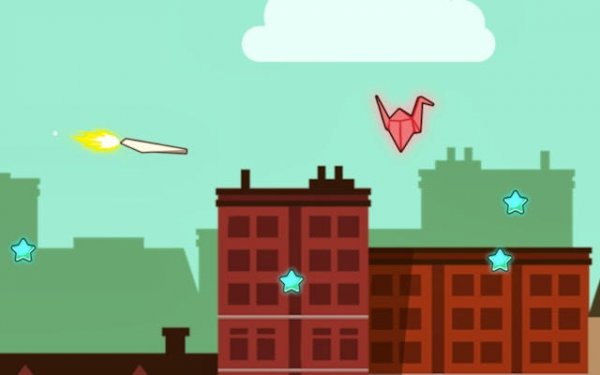
At its core, this experience revolves around a single, satisfying action: throwing a paper airplane. Players adjust two primary variables before each toss—the angle of release and the amount of force applied. The game simulates realistic aerodynamics, meaning the plane responds to lift, drag, and gravity. A steep angle might cause a quick stall, while too much power can send the craft into an uncontrolled tumble. The challenge lies in finding the sweet spot that allows the plane to catch the wind and sail forward with grace.
Wind Dynamics & Environmental Influence
Each level presents unique atmospheric conditions that directly affect flight. Gentle breezes can carry a plane further, while stronger gusts might push it off course. Arrows or visual indicators show wind direction and intensity, allowing players to plan their launch strategy. This element adds a layer of thoughtful decision-making without overwhelming the player. Success requires reading the environment and adapting to changing conditions, much like a real paper plane enthusiast would when choosing where and when to throw.
Paper Plane Variations
Different folding patterns are represented through distinct designs, each with its own flight characteristics. Some models are built for distance, with long, narrow wings that cut through the air efficiently. Others are designed for stability, featuring wider wings that keep the plane level even in turbulent conditions. Players can experiment with these variations to find the best match for each level's wind pattern. Unlocking new designs typically involves achieving certain distance milestones, encouraging repeated play and skill refinement.
Visual Atmosphere & Sound Design
The environments are deliberately calm and scenic, featuring open skies, rolling hills, and quiet outdoor settings. The color palette leans toward soft blues, greens, and warm sunlight tones, creating a relaxing backdrop. Sound effects are minimal but effective—the whoosh of the launch, the rustle of wind, and a soft thud upon landing. There is no timer or pressure to perform quickly, which makes this game suitable for short breaks or extended relaxation sessions.
Feedback & Skill Progression
After each flight, the game provides clear feedback on distance traveled and landing quality. A smooth, level touchdown earns higher scores than a crash or skid. This immediate information helps players understand what worked and what needs adjustment. Over time, players develop an intuitive sense for how different angles and power levels interact with wind conditions. The progression feels natural, rewarding patience and careful observation rather than fast reflexes.



Comments
0 comments